
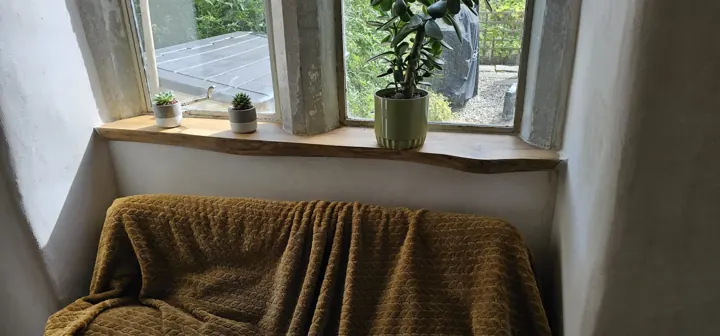
Looking after a Cotswold stone or period home: a season-by-season maintenance calendar
A Cotswold stone or period home stays sound when rainwater is kept away from the walls and the walls can dry.
A Cotswold stone or period home stays sound when rainwater is kept away from the walls and the walls can dry. Clear gutters, downpipes and gullies every autumn, repair pointing and render in lime, keep soil and paving off the base of the walls, service the boiler before winter, protect pipes from frost and keep a log of the work.
Old stone and period houses are not hard to look after, but they need a different routine from a modern house. Most of the damage we see on renovations across Gloucestershire and the Cotswolds starts small: a blocked hopper, a cracked downpipe, a patch of cement pointing or a flowerbed banked against a wall. This calendar sets out the jobs that matter in each season, which a homeowner can safely do and which need a professional or consent. Print it, keep it with the house papers and feel free to share it with your village or parish.
Why a stone or period home needs a different routine
Most houses built before about 1919 have solid walls of stone or soft brick laid in lime mortar, with no cavity. Cotswold stone is a soft, porous oolitic limestone. These walls take in some moisture in wet weather and let it evaporate in dry weather, and they stay healthy as long as that drying can happen. Conservation bodies such as Historic England and the Society for the Protection of Ancient Buildings (SPAB) describe this as a breathable wall.
Cement pointing, cement render, plastic masonry paints and gypsum plasters are harder and less permeable, so they trap water in an old wall (opens in a new tab)4. The water then leaves through the stone face, which is why soft stone crumbles around hard cement patches while the cement survives. Any repair to a solid wall should be softer and more permeable than the masonry around it, which in practice means lime.
So every season's jobs share one aim: keep rainwater flowing away from the walls, catch small faults early, and avoid sealing the wall with the wrong materials. Most of the checks below need only binoculars, gloves and a torch, and our property maintenance service can pick up the smaller repairs they turn up.
Autumn: gutters, drains and getting ready for winter
Autumn is the most important season. Once the leaves are down, clear the gutters, hoppers and downpipes, especially under trees. A blocked gutter pours water down one spot on the wall, and that is one of the commonest causes of damp patches inside old houses. If you cannot reach safely from the ground or a short, secure ladder, have them cleared by someone with proper access equipment.
Lift leaves and silt out of the gully at the foot of each downpipe and run a hose down to check water clears away rather than pooling against the wall. A gully that overflows, smells or backs up after rain may have a blocked or broken pipe below, which our drainage service can investigate.
Book the boiler service before the first cold snap rather than waiting for a breakdown. Anyone working on a gas boiler must be on the Gas Safe Register, so ask to see their ID card. Our boiler servicing page explains how to arrange a visit, and our guide to carbon monoxide symptoms and alarms explains where to fit an alarm.
Find your stopcock and turn it off and on to make sure it moves. Lag exposed pipes in the loft, under suspended floors near airbricks and in garages, and isolate and drain the outside tap from inside. Our guide on how to stop pipes freezing covers each step. If you burn wood or coal, have the chimney swept before the first fire.
Your year-round checklist
- Autumn: clear gutters, hoppers and downpipes once the leaves are down
- Autumn: clean out gullies and run water through to check drains flow
- Autumn: book the annual boiler service with an engineer on the Gas Safe Register
- Autumn: find and test the stopcock, and lag exposed pipes
- Autumn: isolate and drain the outside tap for winter
- Autumn: have chimneys swept before the first fire
- Winter: keep the heating on low through freezing nights
- Winter: bleed radiators that are cold at the top and check the boiler pressure
- Winter: ventilate daily and keep airbricks and vents clear
- Winter: check the roof, chimney and flashings from the ground after storms
- Spring: inspect pointing and render, and plan lime repairs for mild weather
- Spring: keep soil, gravel and paving below floor level and away from the walls
- Summer: check sills, windows, doors and bargeboards for rot and flaking paint
- Summer: cut back ivy, shrubs and climbers from walls and gutters
- Summer: check paths, patios, steps and garden wall copings
- All year: record every repair, photo and service in your house log
Winter: frost, heating and keeping the walls dry
On freezing nights keep the heating on low or on the frost setting rather than off, and leave the loft hatch and sink cupboard doors open so warm air reaches the pipes. A boiler that gurgles and stops in a frost may have a frozen condensate pipe outside.
Radiators cold across the top and warm at the bottom need bleeding. Our guide on how to bleed a radiator shows how, and on a combi or sealed system check the pressure afterwards, as our boiler pressure guide explains. A radiator cold at the bottom usually has sludge, and bleeding will not fix it.
Old houses need ventilation in winter as much as heat. Condensation is the commonest type of damp in homes and shows as mould in cold corners and behind furniture. Use extractor fans, open windows briefly each day, keep furniture slightly off outside walls and never block airbricks or chimney vents. Steady, moderate heat suits solid walls better than short blasts.
After storms, walk round and look up. From the ground, check for slipped tiles or stone slates, lifted lead flashings round chimneys, leaning chimney pots and gutters pulled off their brackets. Photograph anything you find and get it repaired before the next rain finds its way in.
Spring: pointing, render and the base of the walls
Spring is the time for a closer look at the walls. Look for joints weathered back so a ledge holds water, mortar that crumbles to sand when scraped with a key, loose stones, hard grey cement patches with crumbling stone around them, and cracks running through joints. Some weathering is normal and sound lime mortar should be left alone, but failed joints let water into the core of the wall.
On rendered walls, look for cracks, bulges and patches that sound hollow when tapped, especially around windows, sills and at ground level. Lime needs mild, frost-free weather to cure, so plan pointing and render repairs for spring or early autumn. Our lime render repairs and building repairs match the mortar to the stone rather than using cement.
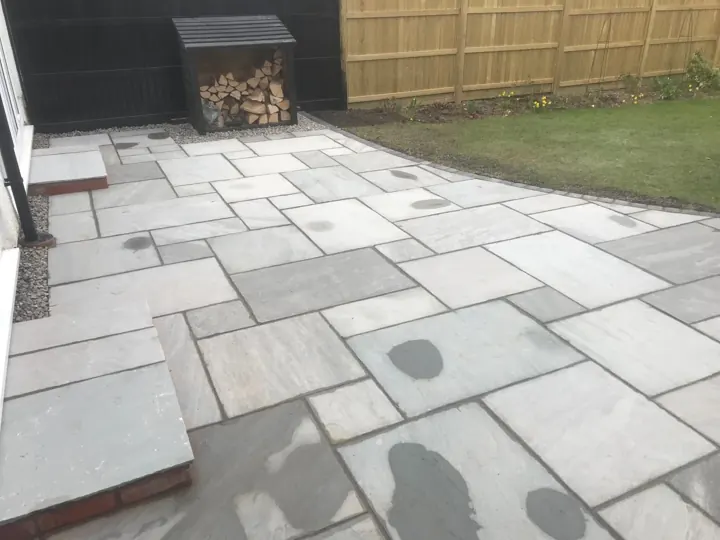
Check the ground around the house. Flowerbeds, gravel and paving can build up over the years until they sit above the inside floor level or bridge the base of the wall, a common source of damp in solid-walled houses. Keep them below floor level where you can, keep the strip next to the wall free draining and make sure paths fall away from the house.
Summer: timber, windows, paths and plants
Dry summer days suit external timber. Check window sills, the bottom rails of sashes and casements, door frames and bargeboards for soft wood, flaking paint and open joints, because rot starts where water sits. A joiner can often cut out and splice small areas, keeping more of the original window than replacement would. Before sanding old paint, assume it may contain lead and take precautions.
Cut back vegetation from the house. Ivy can work into soft joints, hold damp against the wall and block gutters, and shrubs planted tight to a wall slow its drying. To remove established ivy, cut the stems at the base and let it die back first, so it does not tear out pointing.
Check paths, patios and steps for loose slabs, trip hazards and puddles that drain towards the house. A stone garden wall without a sound coping lets water straight into its core, so check copings too.
What should you leave to a professional, and what needs consent?
Anything that needs a ladder above a single storey, scaffolding or work on the roof carries a real risk of falls, and the Health and Safety Executive treats working at height as a serious hazard (opens in a new tab)5. Inspect from the ground with binoculars and leave climbing to people with the right equipment. As a general rule in Great Britain, gas work of any kind, including servicing a boiler or moving a gas pipe, must only be done by an engineer on the Gas Safe Register (opens in a new tab)6.
If your home is listed, you need listed building consent (opens in a new tab)2 from your local planning authority for any work that affects its character, inside or out. Like-for-like repairs often need none, but changing materials, such as repointing or rendering in cement, replacing old windows or removing historic plaster, usually does. Work without consent is a criminal offence, so ask the council first. Applications are free.
Many Cotswold towns, including Cirencester, Tetbury and Moreton-in-Marsh, have conservation areas, where extra controls can apply to windows, doors, roofs and walls seen from the street. In the Cotswolds National Landscape, rendering or cladding the outside of a house needs planning permission (opens in a new tab)1. If in doubt, check with your local planning authority or the Planning Portal first. When we quote for period and stone home renovations, we flag anything that may need consent.
Keep a house log
Keep a notebook or folder with the date of each repair, who did it, what was used (for example the lime and sand in a pointing mix), before and after photos, boiler service records and any consents. Photograph each elevation every spring from the same spot and you will soon see whether a crack or damp patch is changing.
A log helps when you sell, when an insurer asks about maintenance, or when a new tradesperson needs to know what was used last time, so the next repair can match the last one.
If you would like a second pair of eyes on your stone or period home before winter, book a free survey visit and we will walk round with you and tell you honestly what needs doing now and what can wait.
Sources and further reading
- External walls: planning permission for render and cladding (opens in a new tab), Planning Portal. When render and changes to external walls need planning permission
- Listed buildings: other permissions you may require (opens in a new tab), Planning Portal. Listed building consent for work that affects a building's character
- Conservation areas: other permissions you may require (opens in a new tab), Planning Portal. Extra controls on windows, doors, roofs and walls in conservation areas
- Technical advice notes, including The Need for Old Buildings to Breathe (opens in a new tab), Society for the Protection of Ancient Buildings. Why solid lime-built walls need to breathe
- Working at height (opens in a new tab), Health and Safety Executive. Working at height as a serious hazard
- Gas Safe Register (opens in a new tab), Gas Safe Register. Gas work only by an engineer on the Gas Safe Register
Sources checked on 6 November 2026.
More questions
Can't see yours? Call or email and you'll speak to the people doing the work.
No. On Cotswold stone and other soft, porous masonry, the mortar should be weaker and more permeable than the stone, which means lime. Cement pointing traps moisture and forces it out through the stone face, so the stone decays instead of the joints. Adding a little lime to cement does not make it a lime mortar.
At least once a year, in late autumn after the leaves have fallen. Houses near trees often need a second clear in spring or summer. Watching from the ground during heavy rain also helps, because water spilling over the edge shows where a gutter or hopper is blocked.
In old houses the usual causes are condensation, rain getting in through blocked gutters, cracked downpipes or failed pointing, a leaking pipe, or ground built up against the outside wall. Cement render, cement pointing and plastic paints make it worse by stopping the wall drying. Check these first, and get an independent diagnosis before paying for damp treatment.
Most modern masonry paints form a less breathable film that can trap moisture in a solid wall. Limewash or a breathable mineral paint suits lime render and old stone better. On a listed house, changing the finish may need consent, so check first.
Usually spring and early autumn. Lime needs mild, frost-free conditions to cure, and fresh work can be damaged by frost, hot sun or drying winds. Work in winter or high summer needs protection such as hessian sheeting, and sometimes it is better to wait.
Like-for-like repairs, such as replacing a broken slate with a matching one, often need no consent. Work that changes the building's character, such as switching to cement, replacing old windows or removing historic plaster, usually needs listed building consent. Ask your local planning authority first, because unauthorised work is a criminal offence.
Ivy can work into soft lime joints, hold moisture against the wall and block gutters, so it is usually best kept off old walls. Cut the stems at the base and let it die back before removing it, then check and repair the joints underneath.
Services this guide covers
Where to go next if you want the work done.



Related guides from our team.
Free quotes & advice
Get a no-obligation quote and straight answers about your project. Tell us about the job and we will give you straight answers and a clear written quote.
Book a site visitLines open Monday to Friday, 9am to 5pm