Home advice blog for Gloucestershire homeowners
Straight answers from the people doing the work: extensions and building work, boilers and radiators, leaks and water pressure, bathrooms, tiling and patios.
Written by the team that does the work, these posts answer the questions we are asked on site. If you need the job done rather than read about, see our pages on central heating, plumbing repairs, bathroom fitting, house extensions and renovations, or ask us for a free site visit and written quote.
Step-by-step guides
Our most-read guides for urgent jobs and bigger projects.
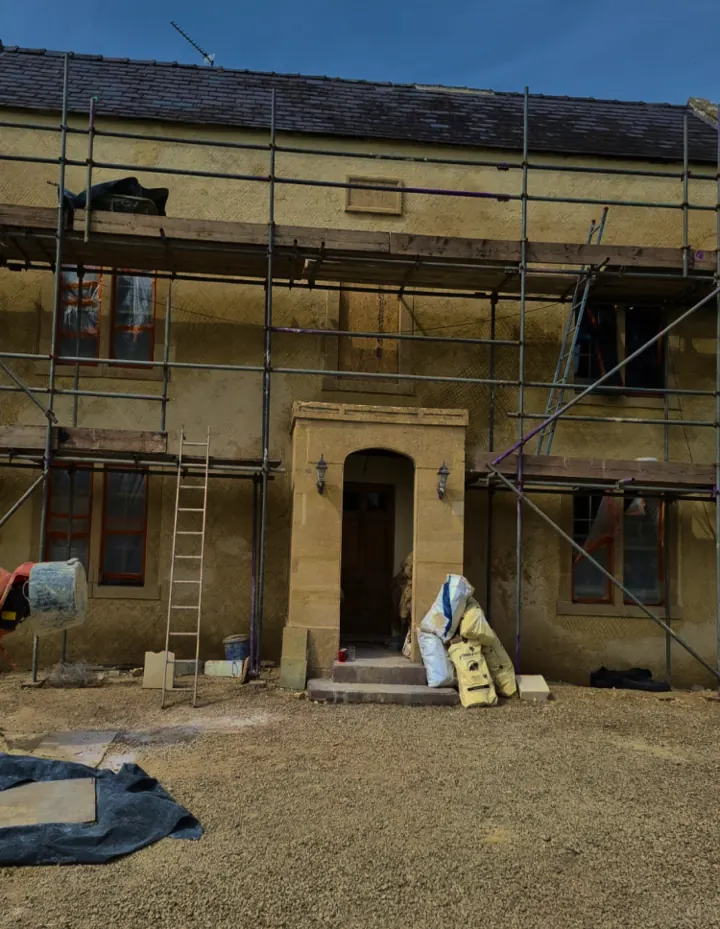
Looking after a Cotswold stone or period home: a season-by-season maintenance calendarA Cotswold stone or period home stays sound when rainwater is kept away from the walls and the walls can dry.
What to do if you have a water leakWith a water leak, turn off the stopcock first; it is usually under the kitchen sink and closes clockwise.
Wet room vs walk-in shower: which is right for you?A wet room tanks the whole floor and drains the shower through tiles laid to falls, while a walk-in shower uses a low-profile tray and screen.
Can you put a heat pump in an older house?Yes, many older houses, including Cotswold stone homes, can take a heat pump if the system is designed around a room-by-room heat loss calculation, with...
Planning a house extension in GloucestershirePlanning a house extension in Gloucestershire starts with a clear brief and budget, then drawings.
Heating & hot water
Boilers, radiators, cylinders, heat pumps and underfloor heating.
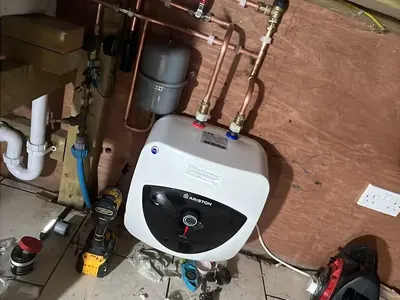
Vented vs unvented hot water cylinder: which suits your home?An unvented cylinder is a sealed hot water cylinder fed straight from the cold mains, so taps and showers run at mains pressure with no loft tank.
Immersion heater guide: running times, settings and faultsAn immersion heater is an electric element inside a hot water cylinder, like a large kettle element.
Central heating inhibitor and power flushing explainedCentral heating inhibitor is a chemical added to the water in your radiators and pipes to slow corrosion, sludge and scale.
Combi boiler vs system boiler: which do you need?A combi boiler heats water straight from the mains as you use it, so it needs no tanks or cylinder and suits homes with one bathroom and good mains flow.
How long does a boiler last, and when is it time to replace it?Manufacturer guidance puts the typical life of a modern gas combi boiler at 10 to 15 years, and a well-installed boiler serviced every year on clean system...
How often should a boiler be servicedA boiler should be serviced once every 12 months.
How to balance radiators using the lockshield valvesTo balance radiators, open every valve fully, note the order the radiators heat up, then partly close the lockshield valve on the fastest ones so flow is...
What pressure should my boiler be? Reading the gauge and fixing itMost sealed-system boilers should read between 1 and 1.5 bar when cold, rising to around 2 bar when hot.
Carbon monoxide symptoms, alarms and what to doCarbon monoxide symptoms include a headache, dizziness, feeling sick or being sick, feeling weak, tiredness and confusion, chest and muscle pain, shortness of...
How to bleed a radiator, step by stepTo bleed a radiator, switch the heating off and let it cool, hold a cloth under the bleed valve at the top corner, and turn a radiator key a quarter turn...
No hot water from a combi boiler: what to checkIf your combi boiler gives no hot water, check the power, the controls, the pressure gauge (around 1 bar cold on most models) and the display for a fault code,...
Radiator cold at the bottom: what it means and how to fix itA radiator that is hot at the top and cold at the bottom almost always has sludge, a black mix of iron oxide and debris, settled in its base and blocking the...
Plumbing
Water pressure, taps, toilets, showers, leaks and frozen pipes.
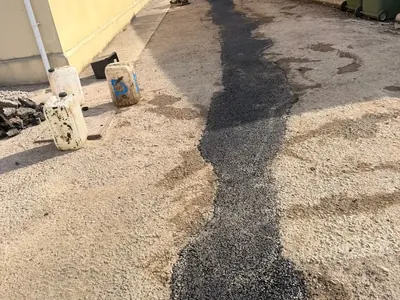
Low water pressure in the house: causes and fixesLow water pressure in a house is usually caused by a stopcock or valve that is partly closed, a leak or narrow old pipe on your own supply, scale in a tap or...
Leaking outside tap: find the leak, fix it and protect the wallA leaking outside tap is usually a worn washer if it drips from the spout when off.
How to stop pipes freezing, and what to do if one doesTo stop pipes freezing, keep the heating on low through freezing nights and lag every pipe in the loft, garage, floor voids and on outside walls.
Free quotes & advice
Get a no-obligation quote and straight answers about your project. Tell us about the job and we will give you straight answers and a clear written quote.
Book a site visitLines open Monday to Friday, 9am to 5pm